
Caring for silver, gold, and copper sculpture
August 2026 · The Venustare Curation Desk · 3 min read
Most damage to a finished piece has nothing to do with tarnish. It comes from someone trying to fix tarnish that wasn't there yet.
Every piece we sell is finished in silver, gold, or copper over a sculpted base and sealed with a protective lacquer, and that lacquer changes everything about how the piece should be treated. It is the reason these sculptures resist the tarnish that solid sterling is famous for, and it is also the most common casualty of good intentions: the single most frequent way a finished piece gets damaged is a well-meaning owner polishing it as though it were the family flatware. Silver polish, dips, and abrasive cloths cut straight through the lacquer, and eventually through the finish it was protecting.
So the honest care guide is mostly a list of things not to do. No metal polish, ever. No dips, no abrasives. No sustained direct sun, and no rooms with hard humidity swings, a bathroom, an unconditioned porch, because both age the lacquer ahead of schedule. What remains is almost embarrassingly simple: a dry microfiber cloth for dust, and for anything beyond dust, a barely damp cloth followed immediately by a dry one. For most pieces, in most homes, that is the entire regimen for the year.
Fingerprints deserve a word, less because they harm anything than because they are the one mark you will actually see. Skin oils do not damage the finish, but on high-polish silver and gold they show plainly under direct light, the way they do on any mirror. The habit that prevents them costs nothing: lift a piece by its base rather than its polished surfaces, and give it a quick pass with the cloth after handling. High polish is the reward for that small discipline.

The three finishes age differently, and knowing which you own sets your expectations correctly. Lacquered silver and gold are meant to hold their day-one brilliance, so any dulling you notice is a lacquer question, not a metal one. Copper is the deliberate exception in the collection: patinated finishes are chosen precisely because they carry warmth and depth, and a piece that deepens slightly over the years is doing what it was designed to do, not failing.
And when something does go beyond dust and fingerprints, a scratch, a worn patch, a knock, that is a repair, not a cleaning project, and it is covered. Every piece carries lifetime exchange and repair support precisely so that no one ever reaches for a polish cloth out of fear that the alternative is living with the damage. The workshop that finished the piece is the right place to restore it. Your only job is to resist the urge to try first.


Further Reading
More from the Journal
July 2026
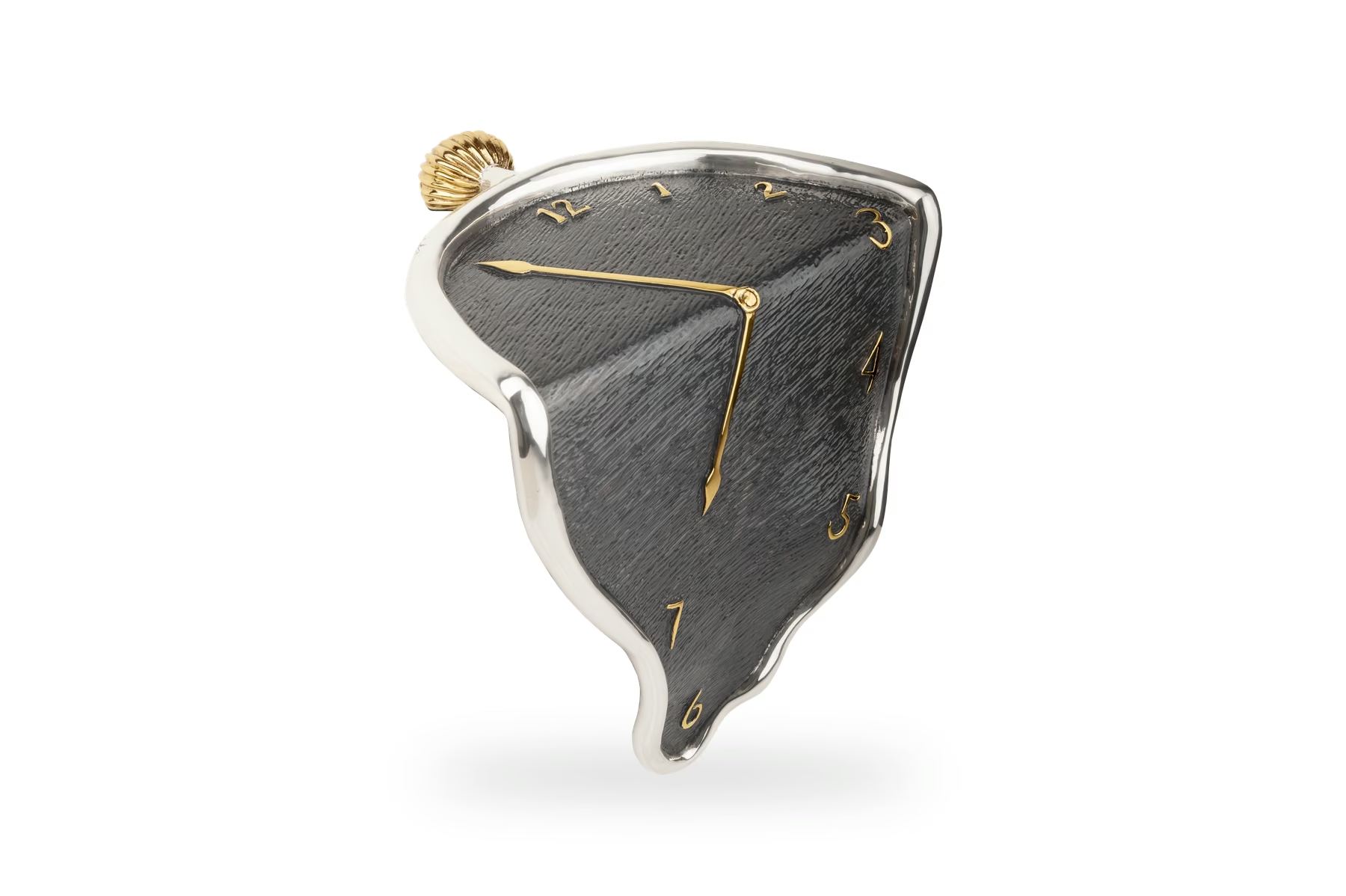
How a Dalí painting becomes a silver object
Inside the licensing and finishing discipline behind the Dalí Edit, and why translating a two-dimensional illusion into sculpture is the hard part.

August 2026
How Mexico became the world's silver capital, and where D'Argenta fits
Taxco spent forty years turning Mexico into the country the world associates with fine silver work. D'Argenta belongs to the generation that inherited that standard.