How Mexico became the world's silver capital, and where D'Argenta fits
August 2026 · The Venustare Curation Desk · 3 min read
The clay of the region is famously poor for farming. The silver underneath it is not.
Mexico has been a source of silver since before it was Mexico. The mines around Taxco, in the hills south of Mexico City, were being worked when the Spanish arrived in the sixteenth century, and through the colonial period the region ranked among the richest silver districts on earth. Yet for three hundred years almost none of that metal stayed home as finished work. It left the ground, left the country, and returned, when it returned at all, as someone else's silverware, stamped with someone else's name.
That changed in the early 1930s, when an American architect named William Spratling, who had come to Taxco to study its colonial buildings, opened a small workshop instead. He hired local apprentices, set pre-Hispanic motifs against clean modern lines, and built the thing the region had never had: a silversmithing trade run by and for the town sitting on the ore. By 1940 the workshop employed several hundred artisans. When the Second World War cut off European silver imports, American department stores went looking for a replacement and found Taxco ready. The town has been synonymous with Mexican silver ever since, and the apprentices of that first workshop went on to found houses of their own.
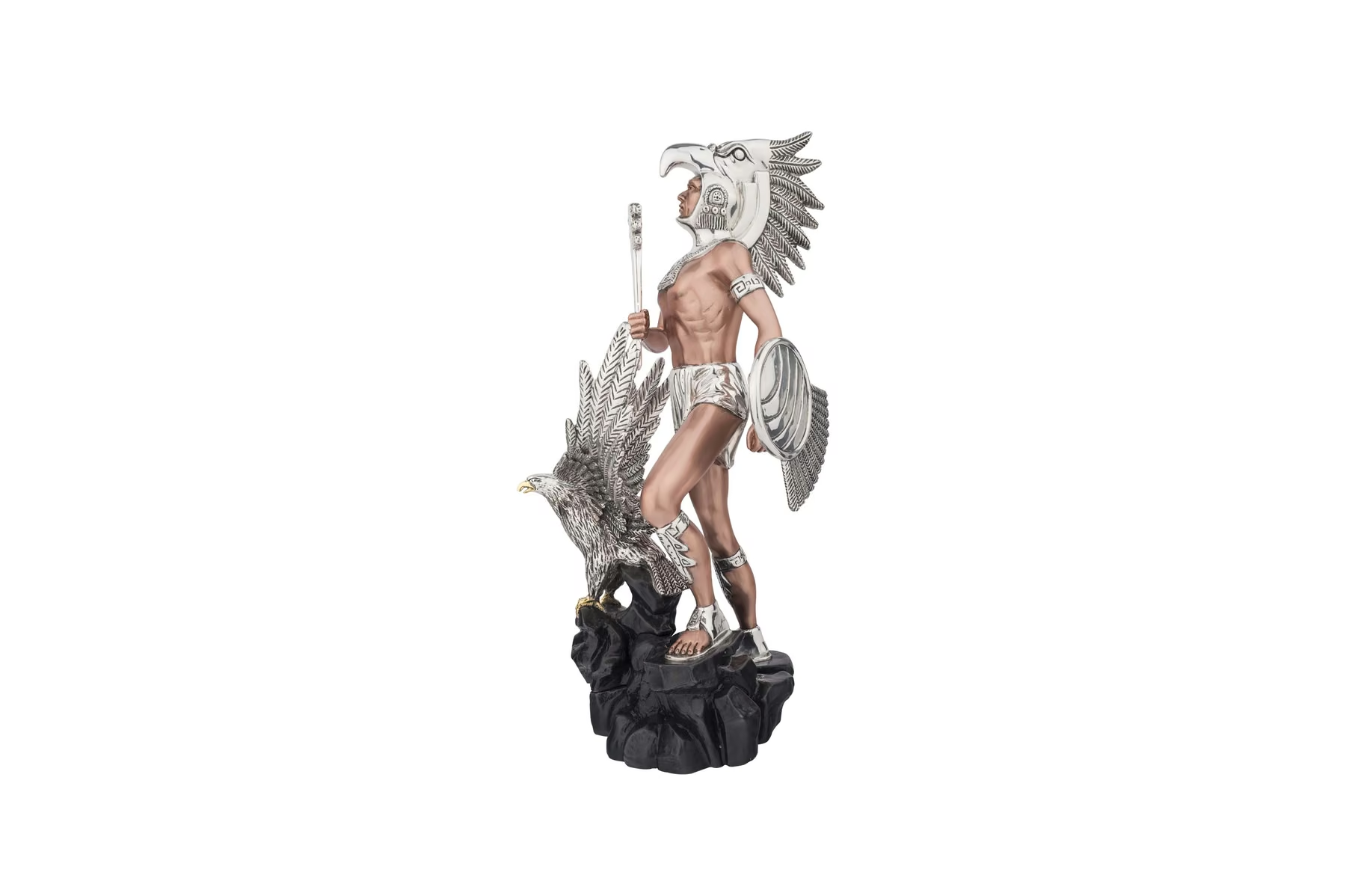
D'Argenta, founded in Mexico City in 1976, belongs to the generation that came after that founding moment, not to it. The house claims no lineage back to Spratling's own bench, and we are careful not to imply one it cannot document. What it inherited is the standard that generation set: hand work, real apprenticeship, and pre-Hispanic imagery treated as a living design language rather than a costume. Where D'Argenta staked new ground is scale and ambition: full sculptural figures, modeled in the round and finished by hand in silver, gold, or copper, where Taxco's original fame was built on flatware and jewelry.
The distinction matters when you look at a piece like the Eagle Knight. A figure like this is not a souvenir enlarged; it is sculpture first, a body an artist had to resolve from every angle, carrying imagery that has been worked in this country for five centuries and understood here longer than that. That is the specific inheritance: not a style, but a seriousness about what the metal is asked to do.

It is worth knowing this history for the same reason it is worth knowing where a wine is grown. It changes nothing about the object in your hands, and everything about the standard it answers to. A century ago the ore was still leaving Mexico raw. Today it stays home as finished sculpture, signed, attributed, and sent into the world under the maker's own name. That reversal took ninety years and several generations of workshops, and every piece in this collection is, quietly, a beneficiary of it.


Further Reading
More from the Journal
August 2026
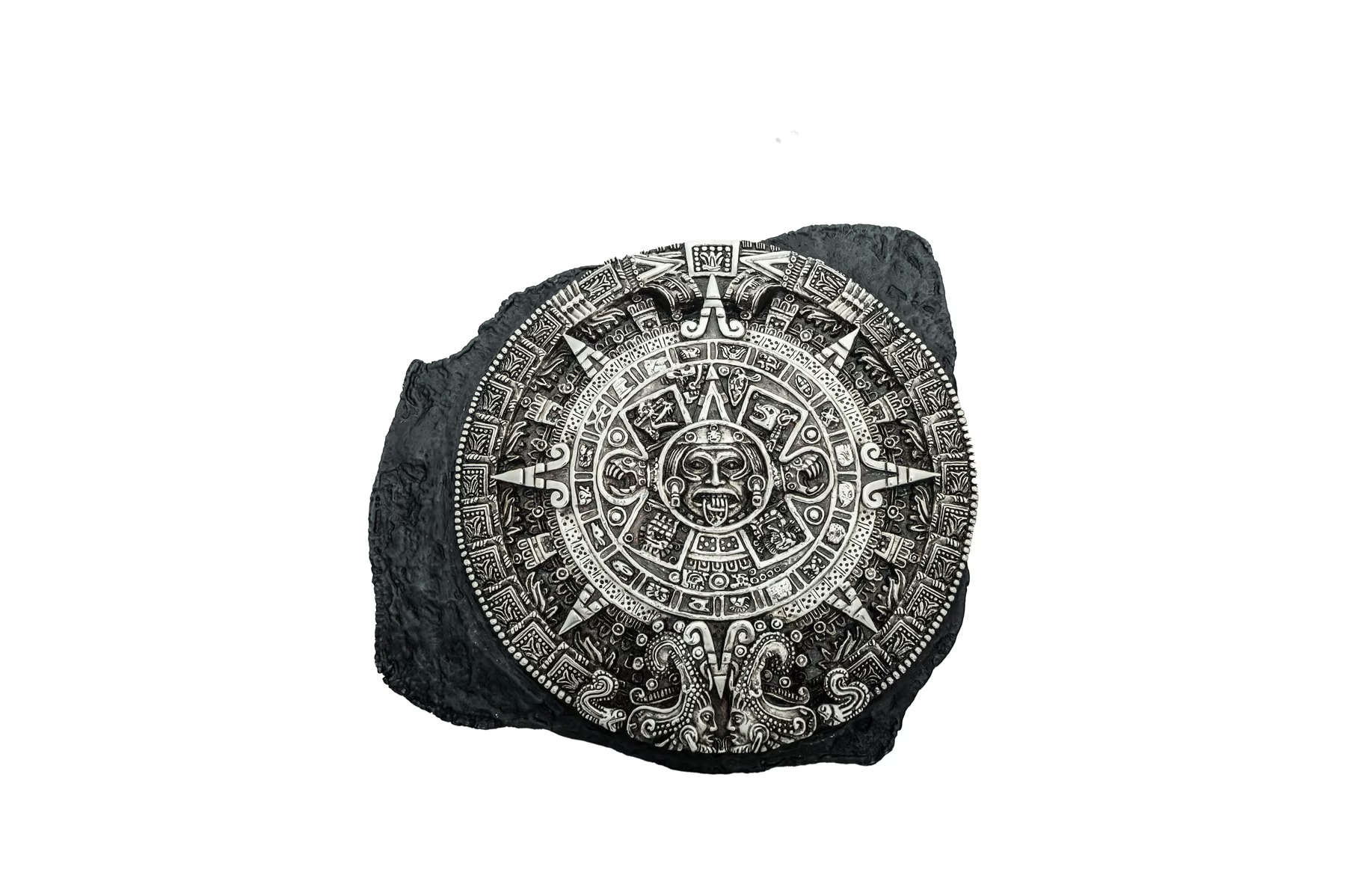
Reading the Aztec and Maya imagery in the collection
An eagle warrior, a calendar stone, a figure called Chac Mool: what these forms actually depict, and why they keep earning their place in fine silver.
July 2026
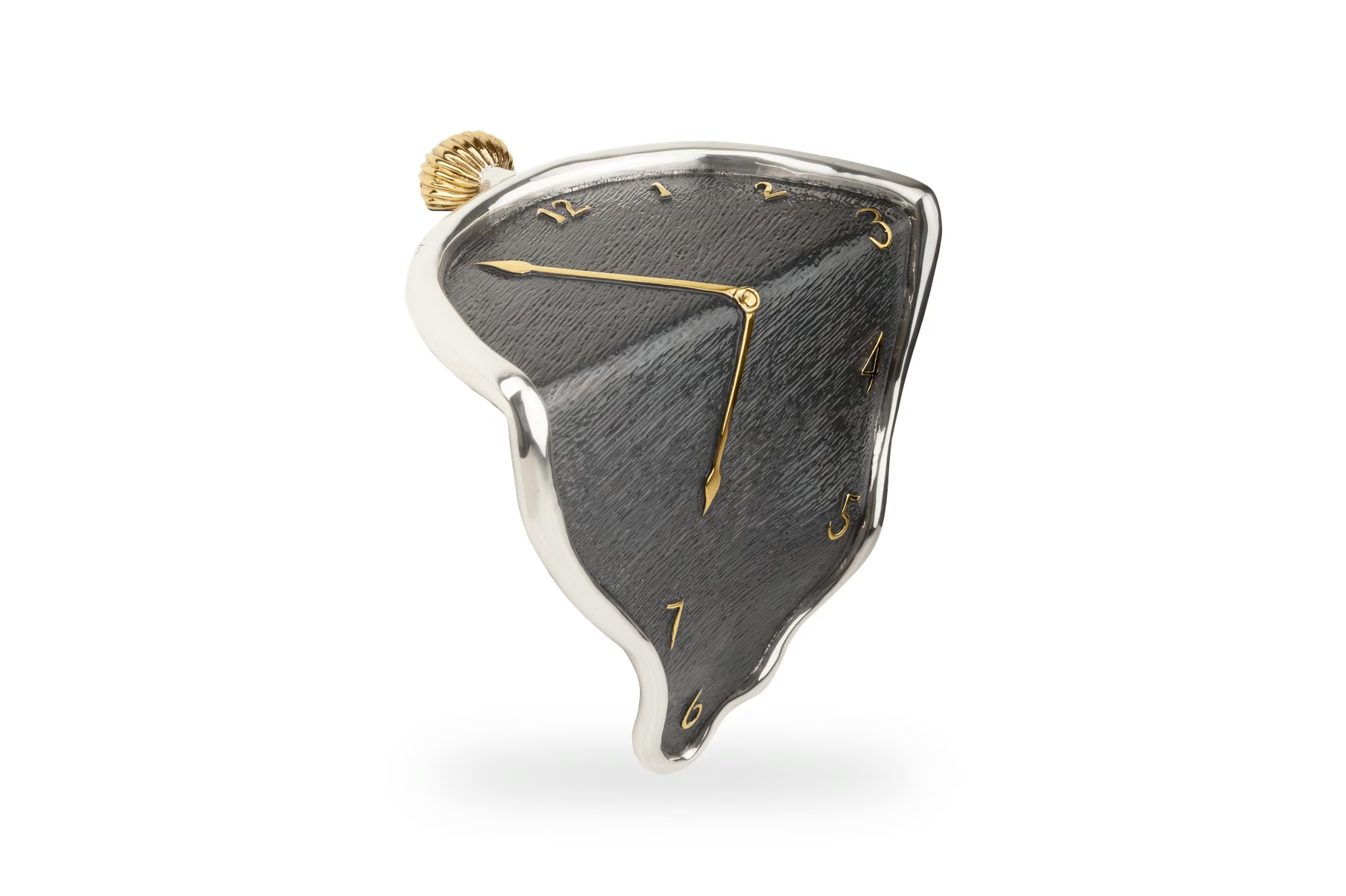
How a Dalí painting becomes a silver object
Inside the licensing and finishing discipline behind the Dalí Edit, and why translating a two-dimensional illusion into sculpture is the hard part.