How a Dalí painting becomes a silver object
July 2026 · The Venustare Curation Desk · 3 min read
A painting has no back. A sculpture has no single angle from which it is finished. Every side has to hold up.
The Dalí Edit is the smallest collection we carry and the most tightly governed. Every piece in it is officially licensed, which means each object passes through a chain of approvals most sculpture never encounters: sketches, prototypes, and finished samples, each reviewed against the estate's standards before a single production piece is offered for sale. The paperwork matters, but it is the least interesting part of the story.
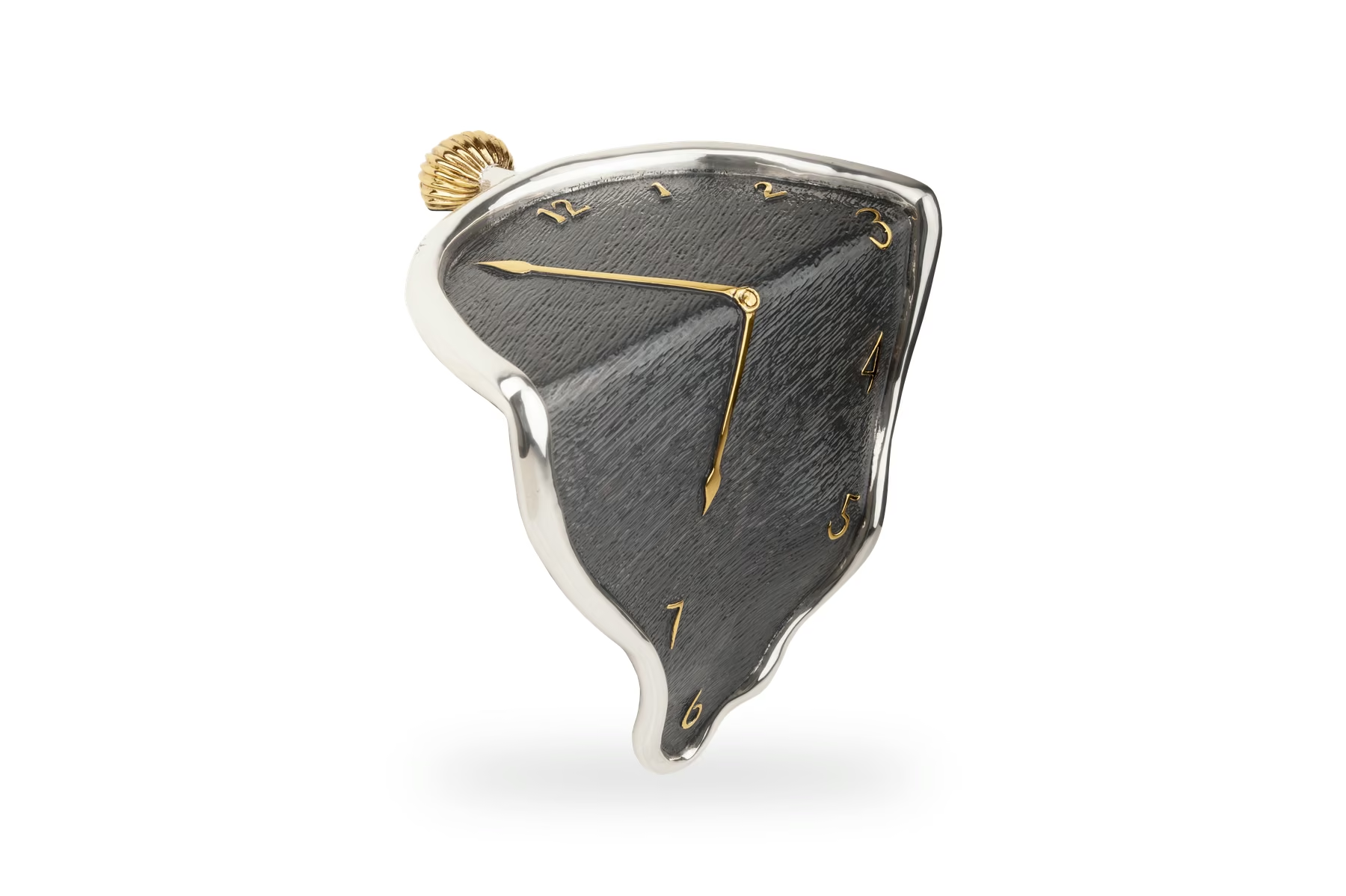
The interesting part is translation. Dalí painted The Persistence of Memory in 1931 as a two-dimensional illusion: soft watches draped over a dead branch and a sleeping profile, convincing precisely because the canvas never has to show you more. Turn that image into an object you can pick up and the questions multiply. What does a melting clock look like from behind? Where does its weight pool when gravity is real instead of painted? Most attempts at fine-art sculpture die exactly here: they reproduce the famous front view and go generic everywhere the painter never looked.
D'Argenta's ateliers, at work since 1976, are among the few trusted with this kind of adaptation because their method begins with sculpture rather than reproduction. Every piece is modeled fully in the round before any metal is involved, which forces the surreal logic of the image to survive as an actual object, from every angle, before it earns its finish. If the illusion collapses from the side, the model goes back, not forward.
The finishing is hand work, piece by piece, not the uniform coating of mass production. Each sculpture is finished in fine silver over its sculpted base and then worked by hand until the surface says what the image needs it to say. The melting clock carries a fluid, almost poured sheen that makes the metal look soft. Dalilips, the sofa built from a pair of lips, is finished to read plush, a cushion rendered in a material that has never been soft in its life. The same silver, two opposite sensations, both decided at a workbench rather than in a vat.

What you are buying from this collection is the rare case of an image the whole world recognizes, translated by hands that understood it well enough to give it a back, a base, and a weight. That skill is narrower than it sounds, and it is why the Dalí Edit stays deliberately small. Four pieces done exactly right will always outrank forty done adequately, and Dalí, of all artists, would have had no patience for adequate.


Further Reading
More from the Journal
August 2026
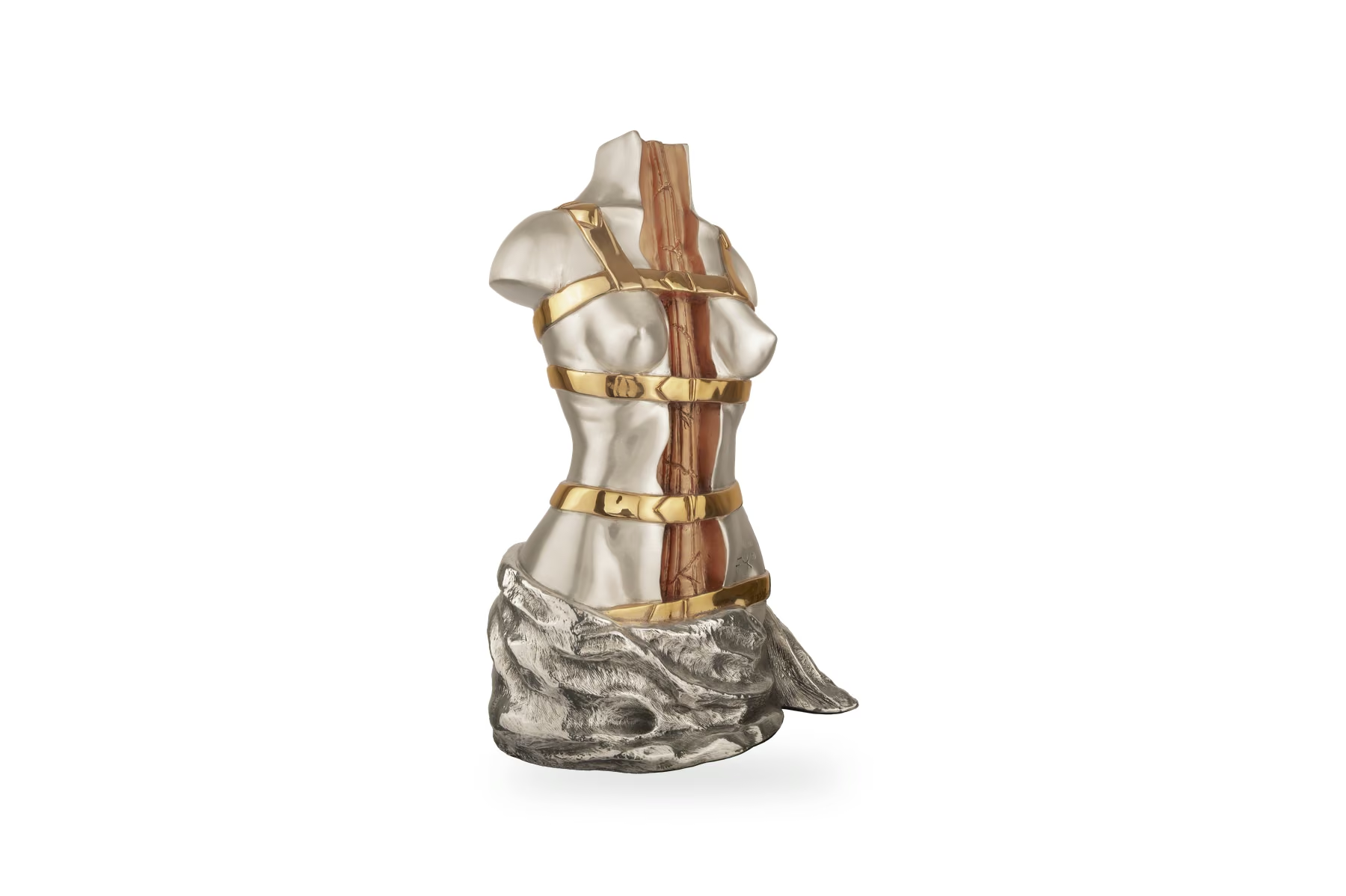
The Frida Kahlo Edition: painting into sculpture, twice removed
Translating a self-portrait into a freestanding object is a harder problem than it looks. Here is how the officially licensed Frida Kahlo collection solves it.
August 2026
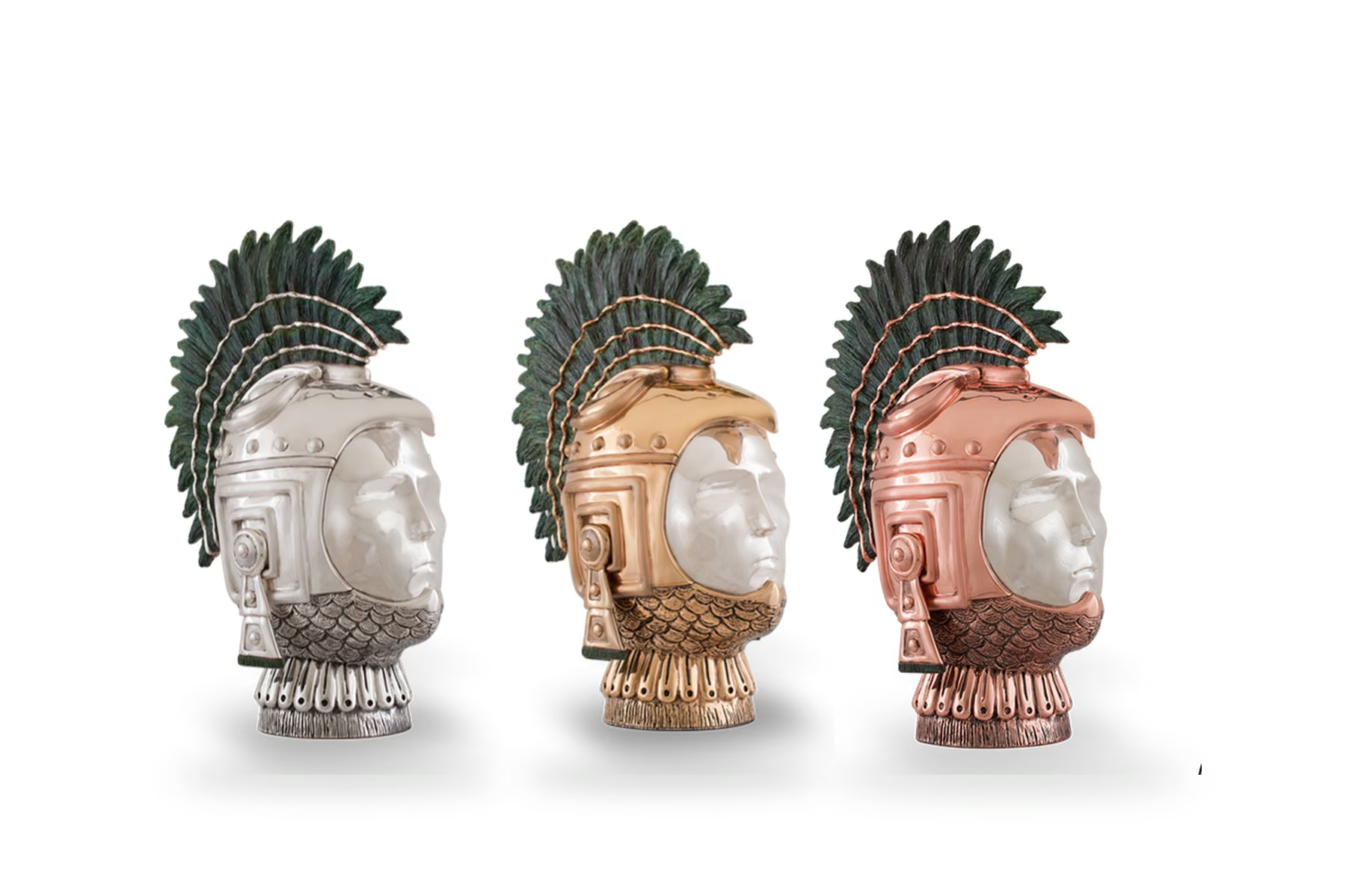
Caring for silver, gold, and copper sculpture
What actually tarnishes, what does not, and the short list of habits that keep a finished piece looking the way it did the day it arrived.