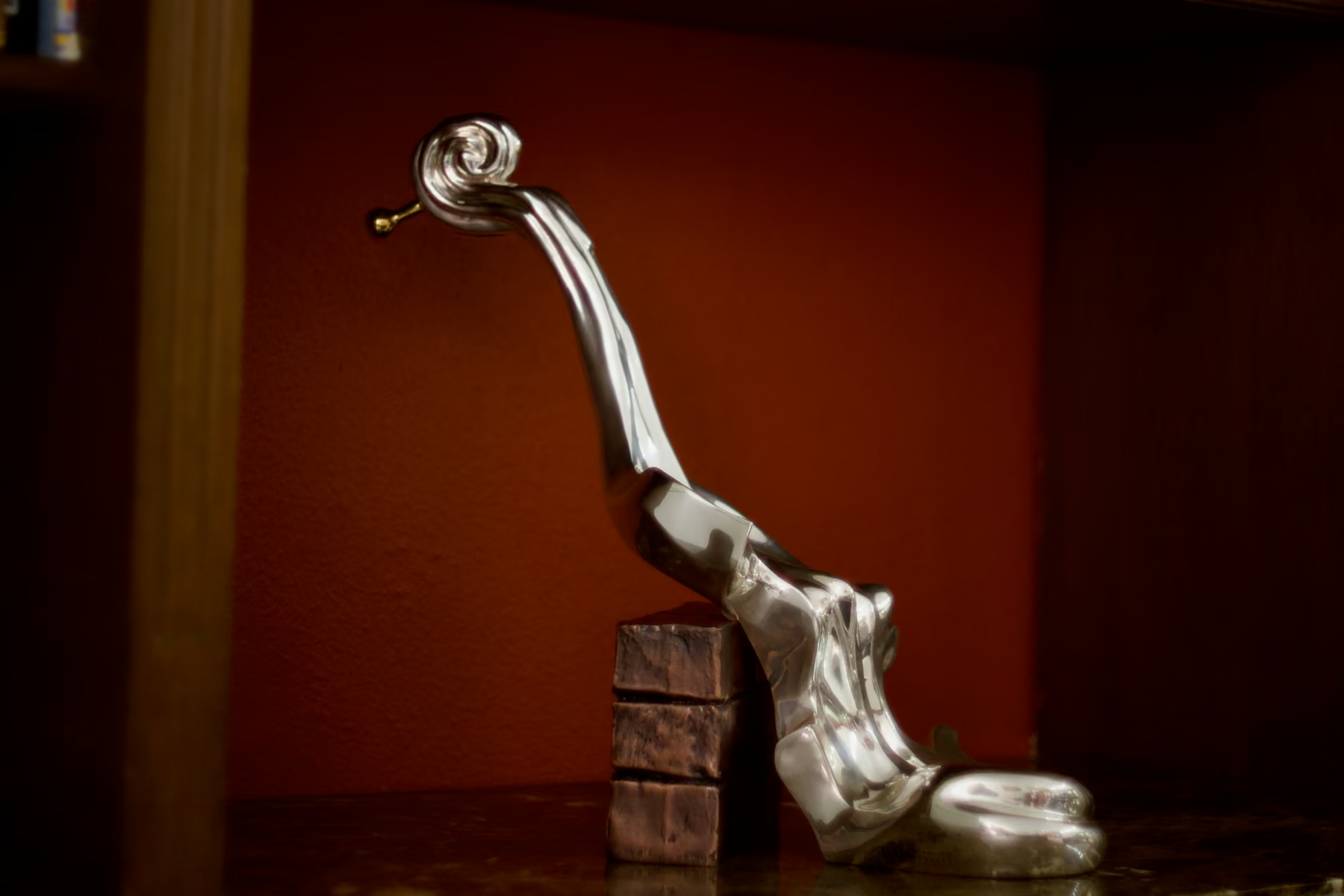
Small sculpture for the shelf, the mantel and the desk
October 2026 · The Venustare Curation Desk · 4 min read
Detail becomes the whole language of a piece when it sits within arm's reach.
Small pieces play by different rules from large ones. A big sculpture announces itself through its outline; a small one is seen from arm's length, where surface, finish and detail do the work. That is why we choose small pieces for how they reward a second look, not only a first one. A hand-finished surface that catches light along a curve, or a pose that changes as you walk past the shelf, turns a glance into a moment.
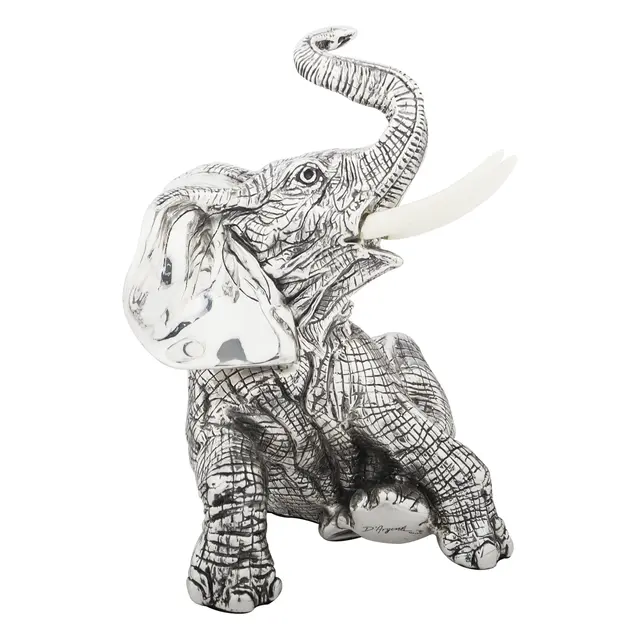
On a bookshelf, context is everything. A figure set in front of a row of books competes with the spines and gets lost in their pattern. Make a gap in the books instead, and let the piece stand in it. The Silver Elephant Figurine Sitting, trunk arched upward and ears fanned wide, reads clearly against plain shelf on either side; the gap tells anyone looking that the object is there on purpose.

A mantel is a matter of number and rhythm. Pairs read as matched and formal, which suits some rooms and stiffens others. An odd-numbered group, three pieces of different heights, reads as arranged, and it carries the eye along the shelf instead of stopping it in the middle. Leave space between the pieces. A mantel that looks collected rather than filled is one where each object still has its own air.
A desk is a workspace first. Put a sculpture in the middle of it and it becomes clutter; put it at the edge of your field of view and it becomes company. The Silver Leopard Statue Sitting Cub works well there: small, seated and composed, it asks for nothing while you work and rewards the occasional look away from the screen. It is also made in gold, so a collector can pair the two finishes side by side.

Small pieces are the easiest way to begin a collection, and the easiest gift to get right. They need no special furniture, they fit any room, and they move. A figure that sits on a desk through the winter can go to a bedside table in spring or a guest room for a visit. That movement keeps a collection fresh, and makes each piece earn its place again every time it finds a new spot.
Before you buy, look at the light where the piece will sit. Small objects depend on light more than large ones: a window to one side shows the finish at its best, while a single overhead bulb flattens it. Measure the gap on the shelf or the corner of the desk, and leave a little air around the piece. If it will share a surface, check that its finish sits well beside what is already there.
Shop This Story
Featured in this piece

Further Reading
More from the Journal
July 2026
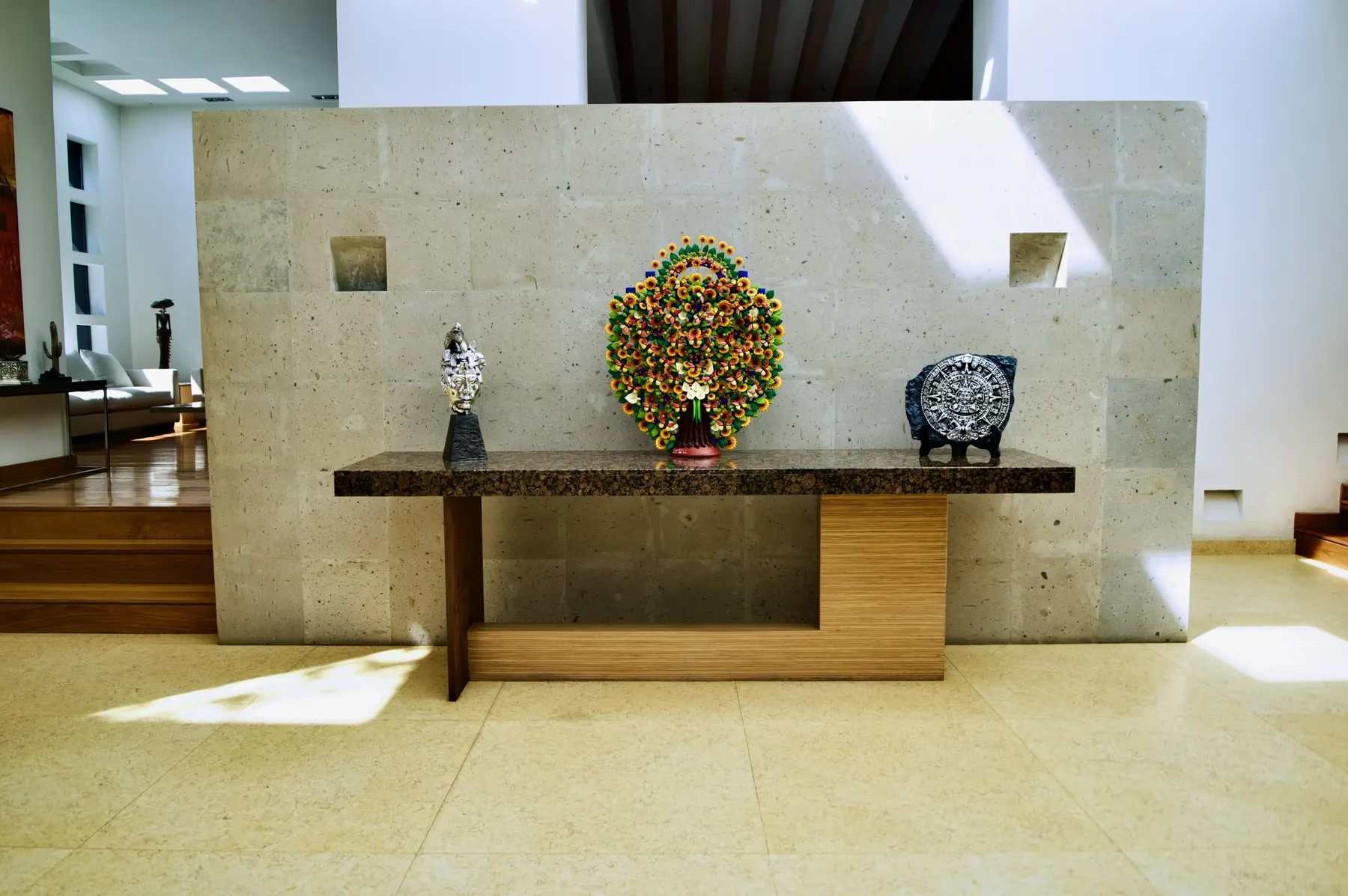
Styling a console with one serious piece
The rule professional stylists swear by: one object with presence beats five without it. A working guide to scale, finish, and negative space.
October 2026
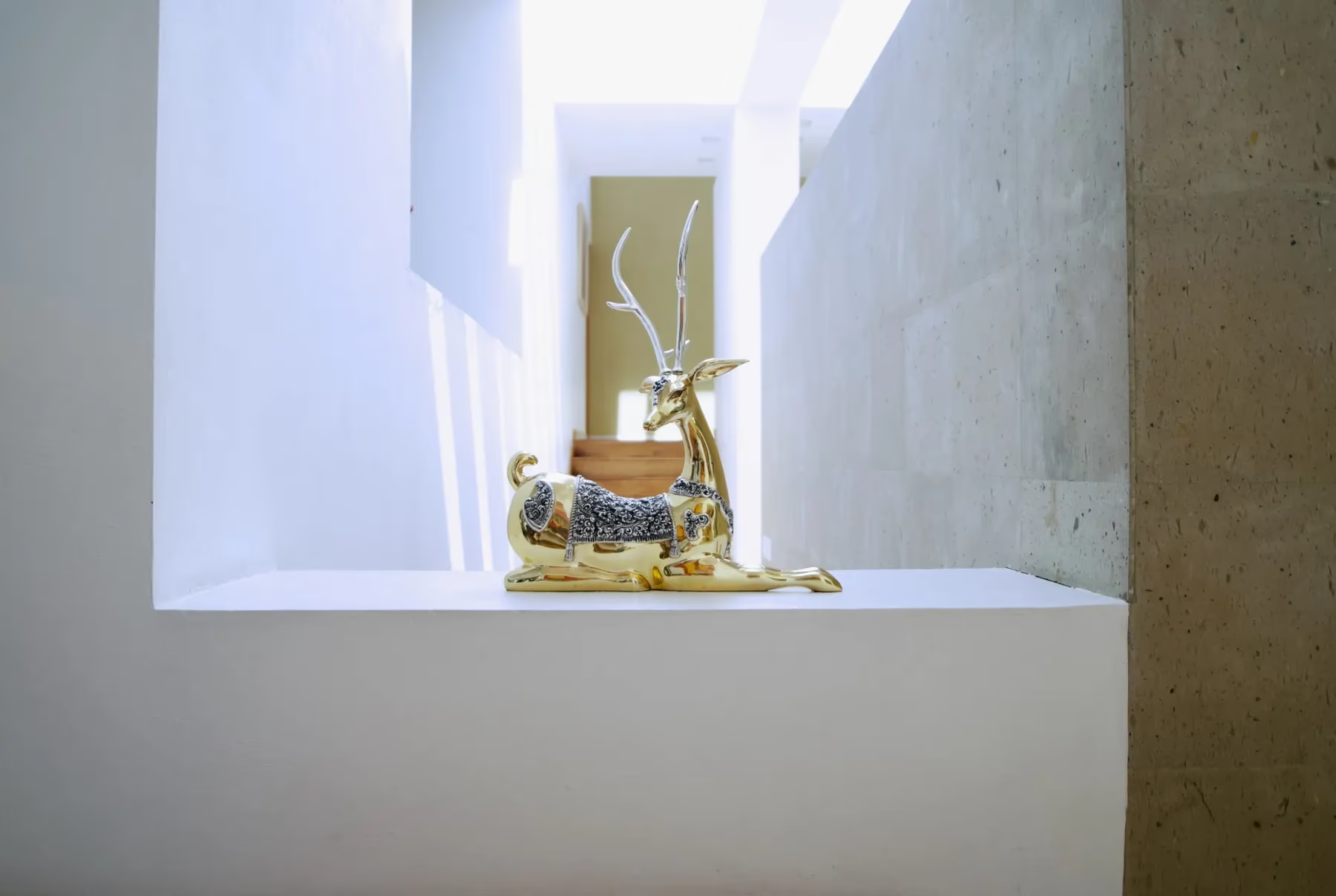
The two-second rule for a hall or landing
A hall is crossed, not sat in, so a figure there has a moment to register. Why silhouette and light matter more than detail, and how to place one piece well.